About
I walk barefooted, I fall, I pick myself up.
Walking atop the dew covered grass,
I watch Nature spill her magic,
Adding blank pages to our life,
To be filled with joy, laughter and a few mistakes.
I carry my smile, I carry my dreams, I carry my hopes.
I cry, I laugh.
I carry the sunshine, I carry the rain.
I celebrate…‘Me’!!!”Newsletter
Blogs

Where Water Governs The Land
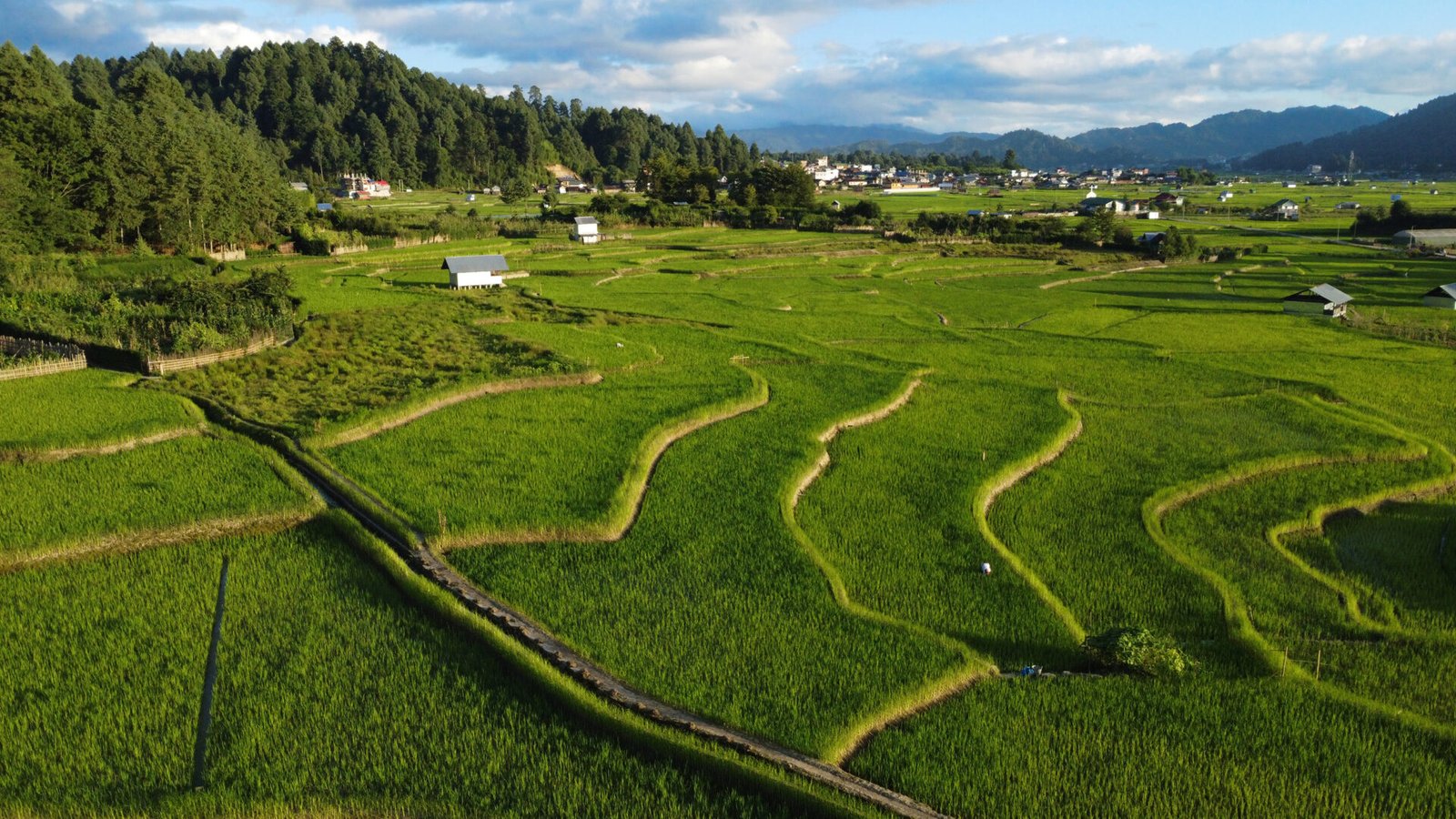
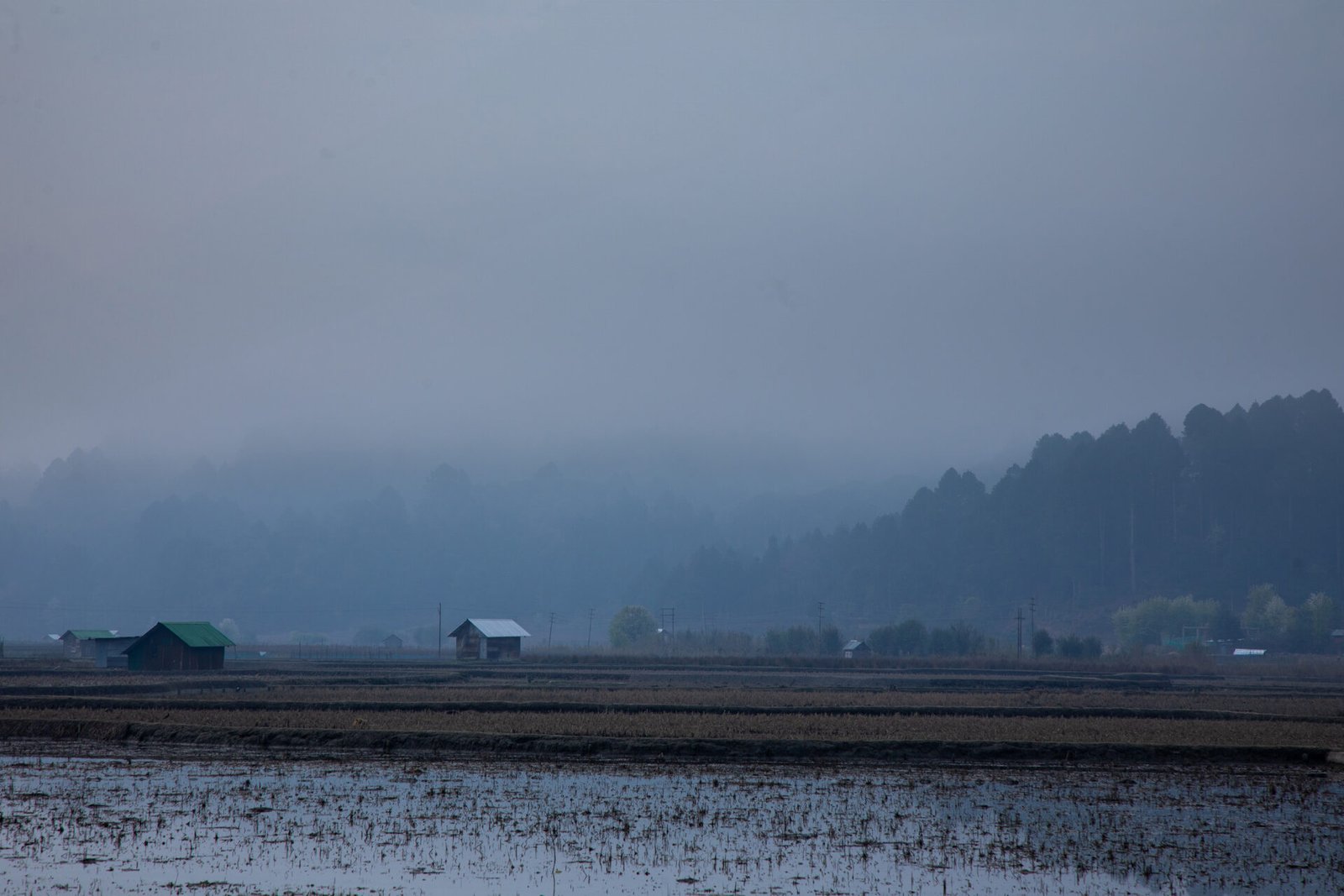
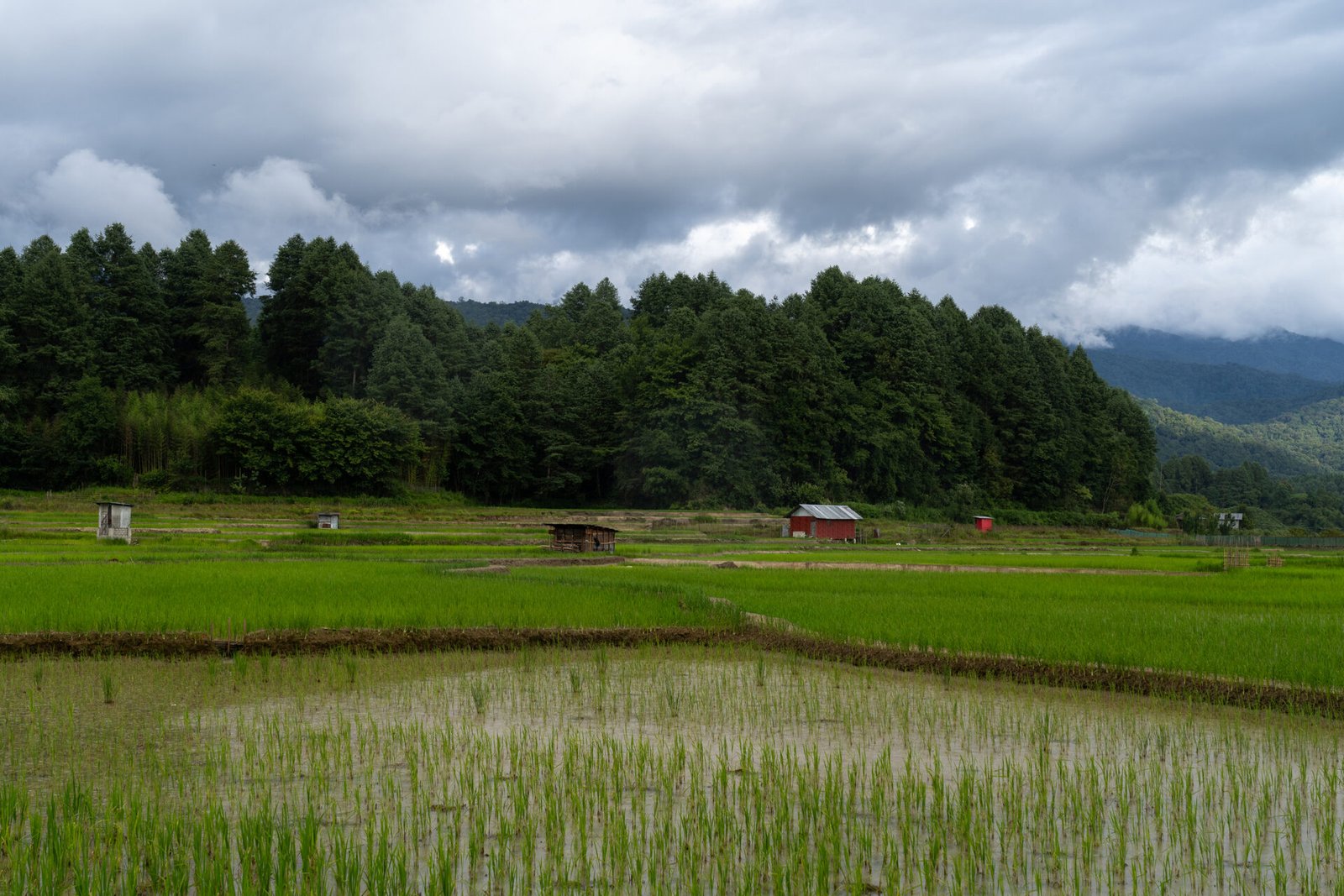
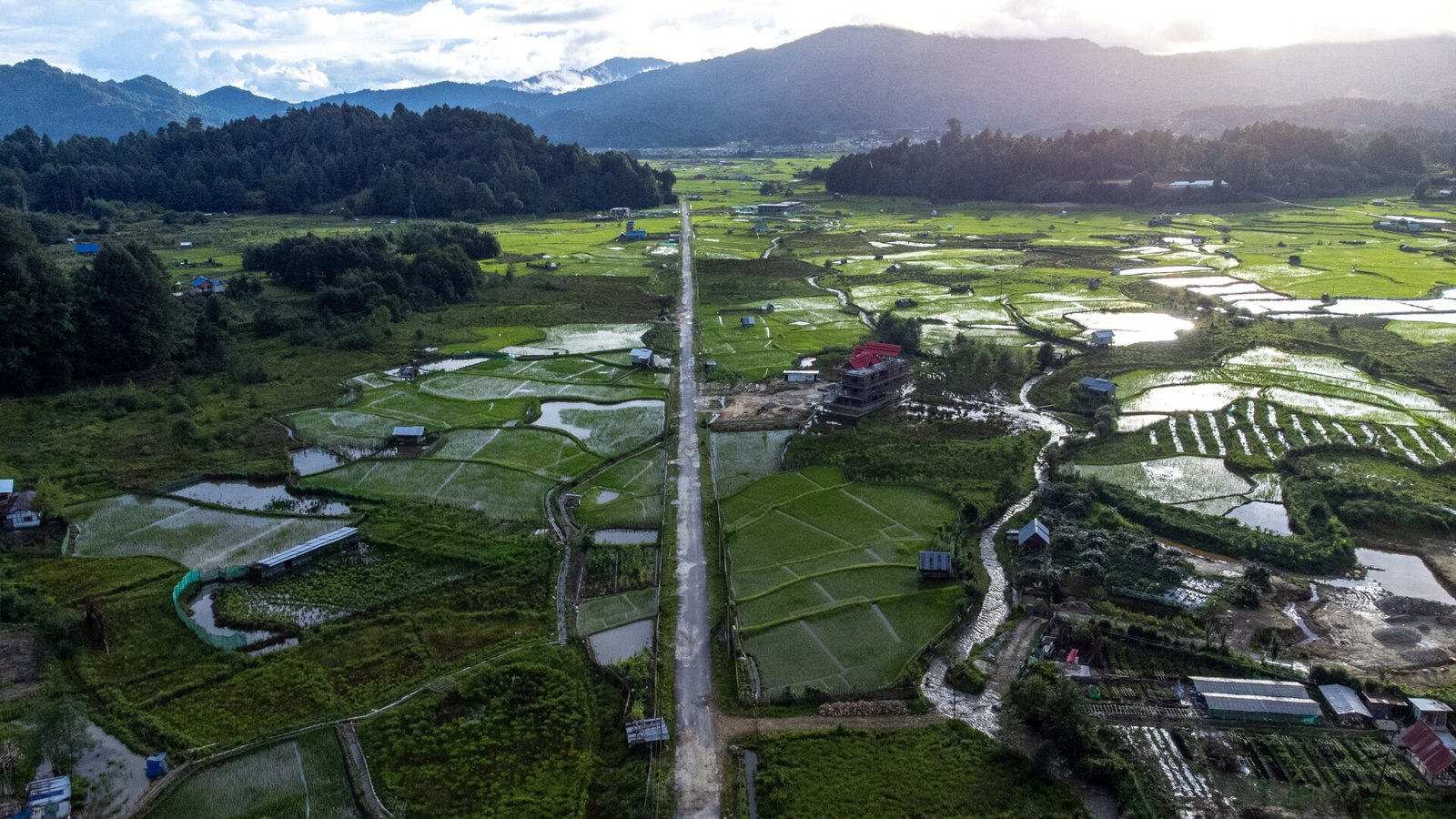
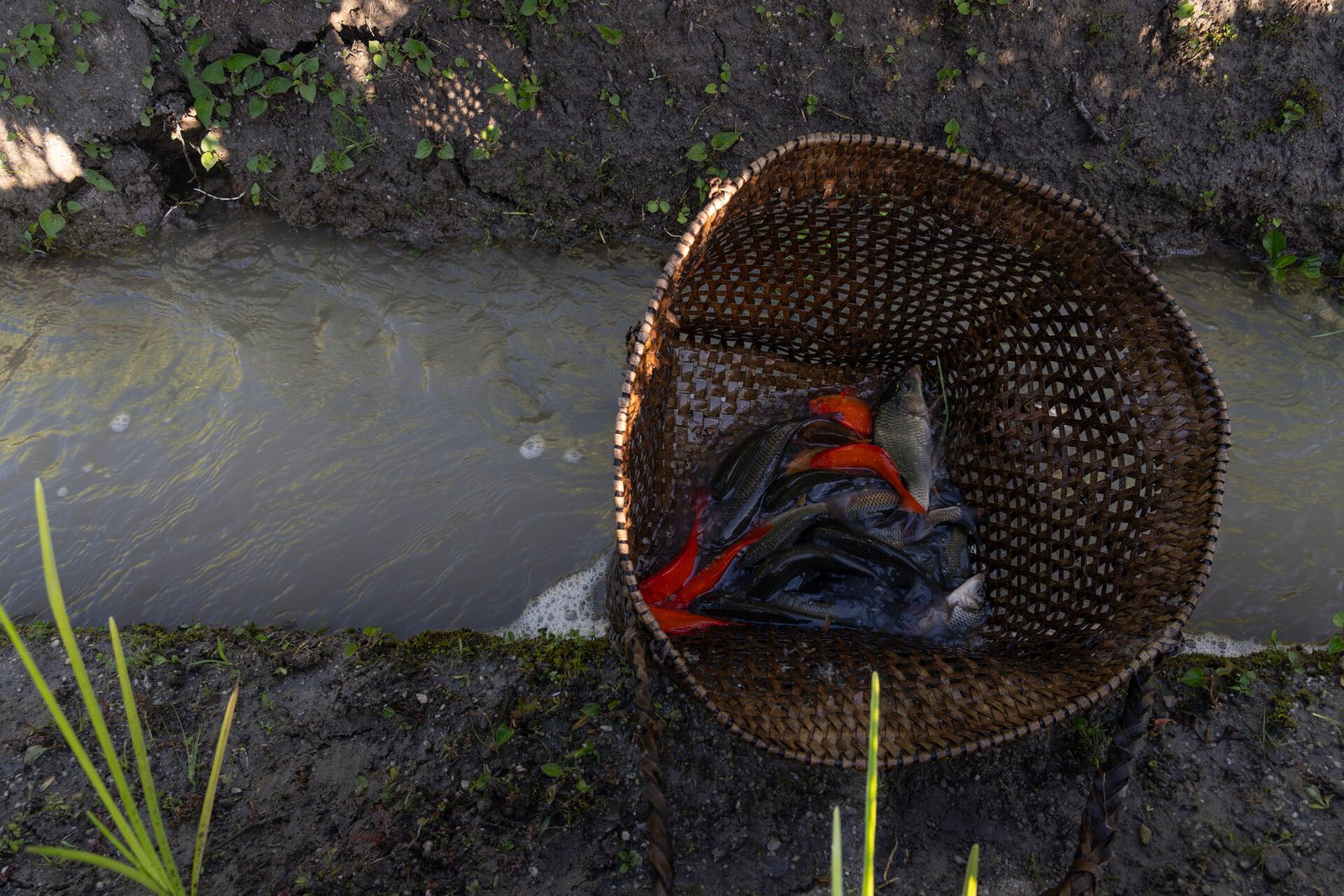
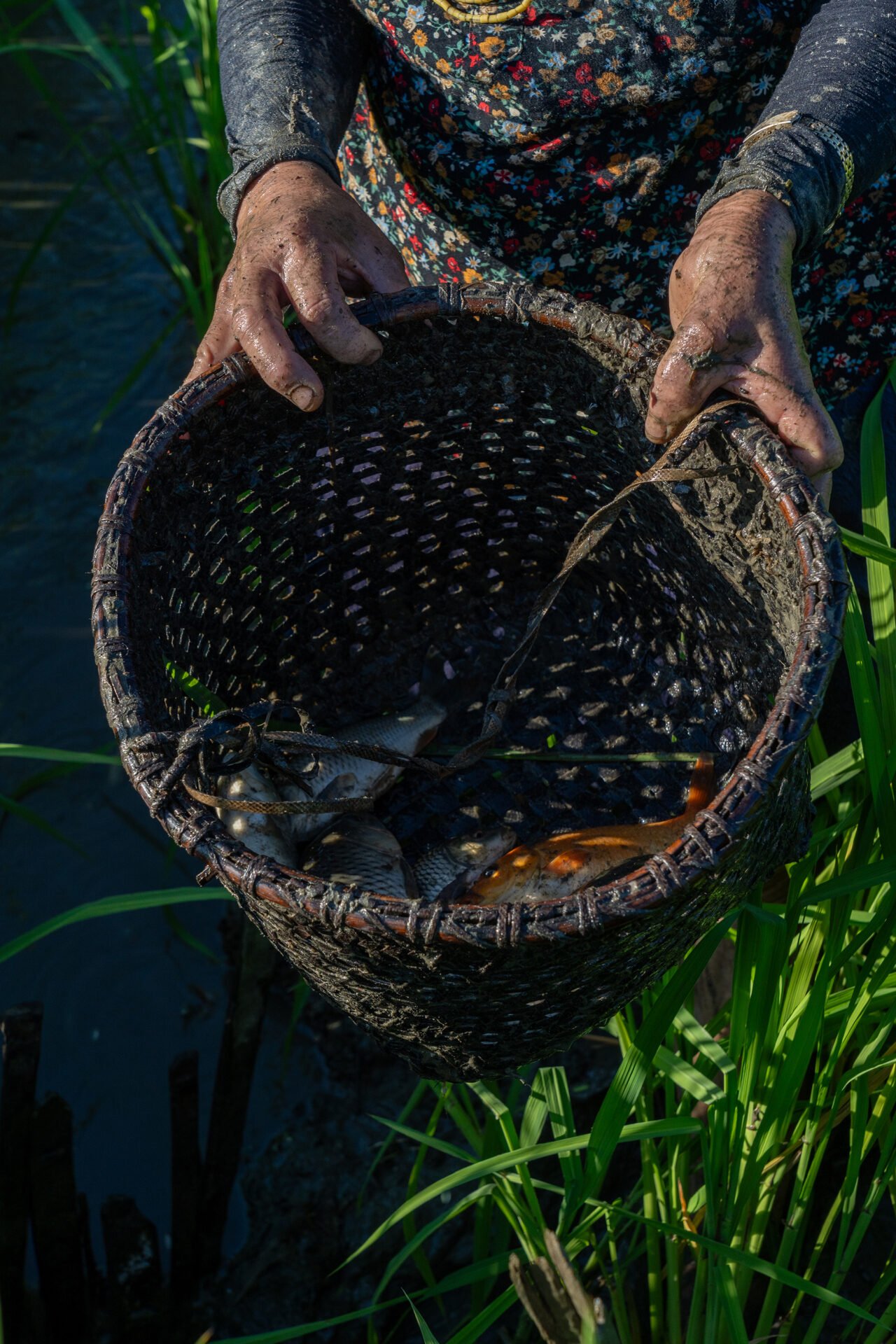
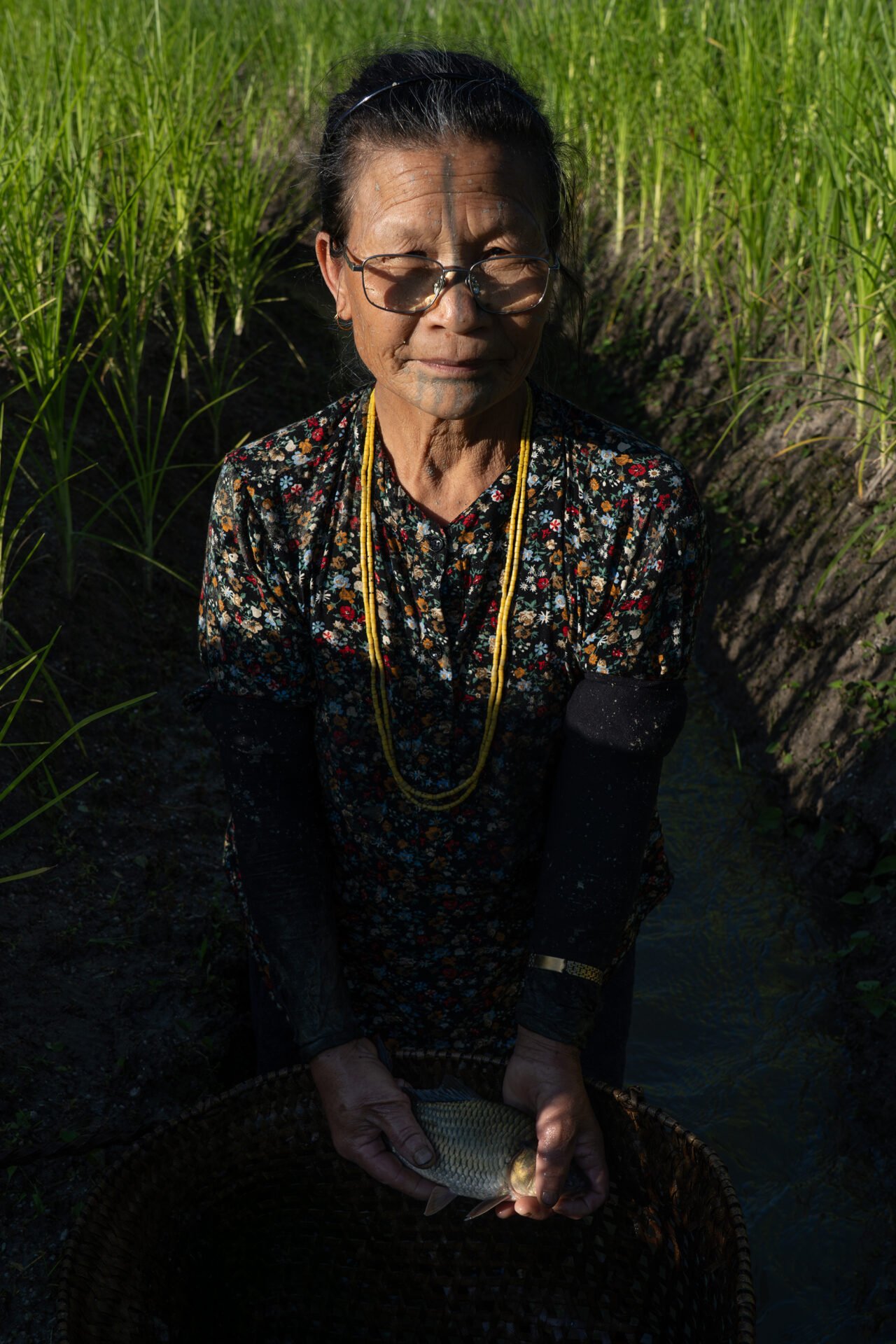
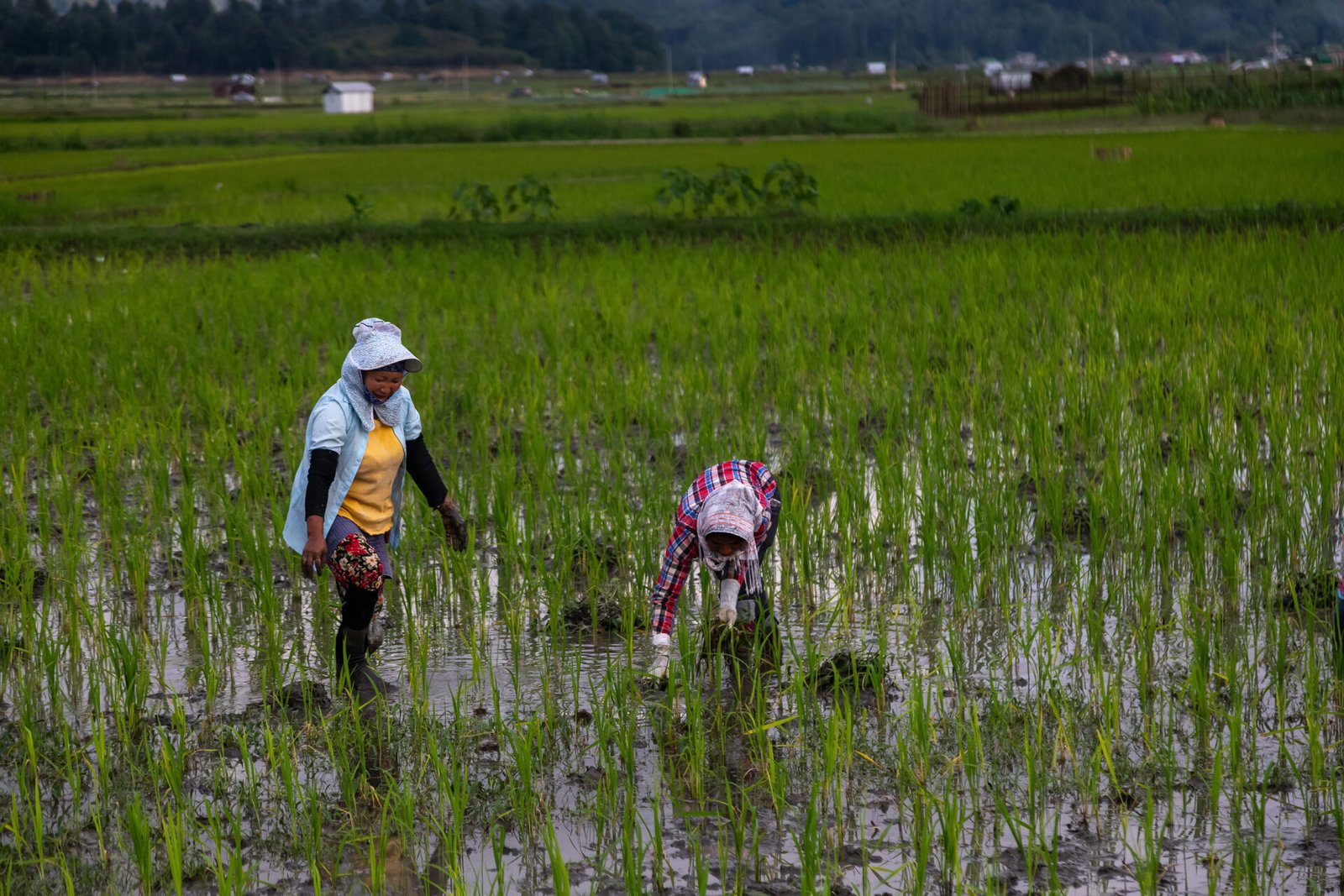
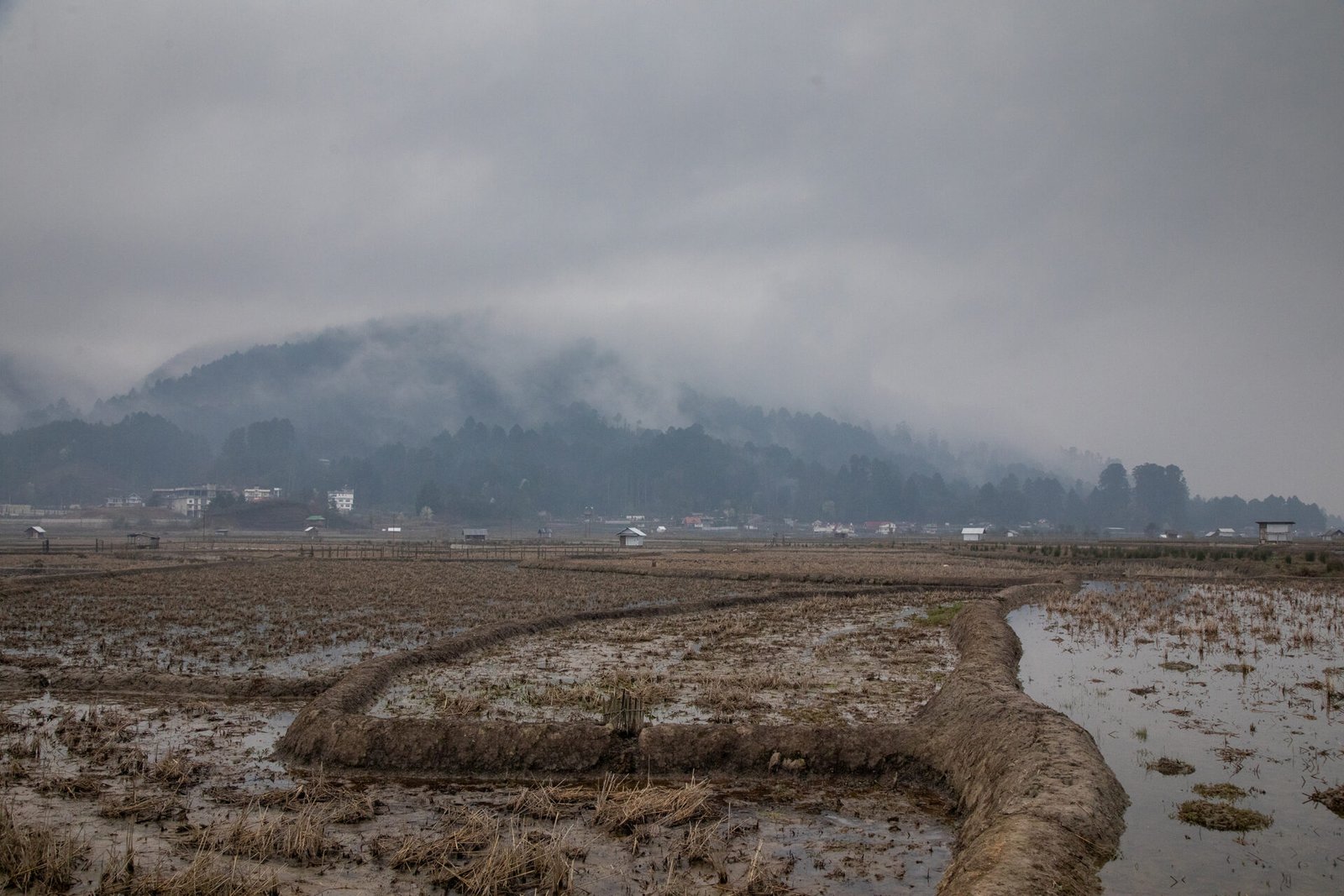
In the high plateau of Ziro Valley, Arunachal Pradesh, at roughly 1,525 metres above sea level, the Apatani people have practiced one of the most sophisticated indigenous water management systems on earth. For over five centuries, this community, numbering around 60,000, confined entirely to their valley has sustained permanent wet rice cultivation and simultaneous fish farming through an intricate, community-managed network of earthen channels, bamboo regulators, and terraced fields. No chemical input. No centralised authority. No water wasted. A system the UN’s Food and Agriculture Organisation has recognised as a Globally Important Agricultural Heritage System (GIAHS).
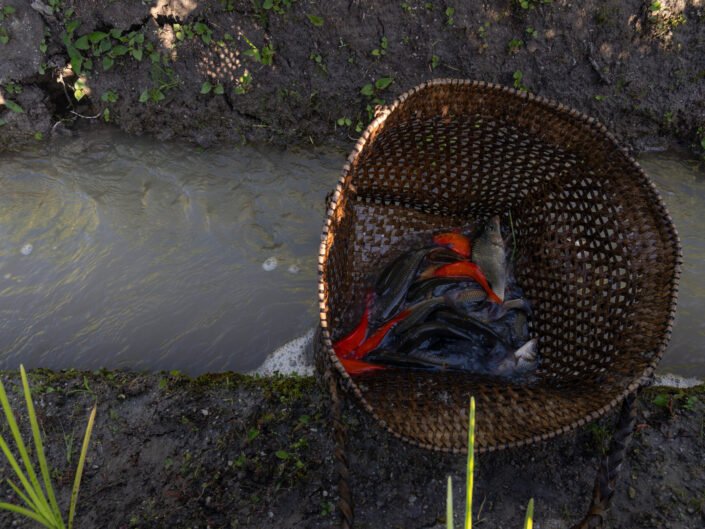
I first came to Ziro, first as a kid, then an event organiser and then a documentary photographer but never as a water researcher. What I found was that water is not a resource here, it is a grammar. Every field boundary, every morning ritual, every season of planting and harvest moves in relation to how water moves through the valley. Over multiple visits across seasons, I began photographing not just people, but the intelligence embedded in the landscape itself: the channels that split and redirect mountain streams, the earthen bunds no taller than a child’s knee that hold back monsoon floods, the rice-fish fields where cultivation and ecology are the same act.
This essay was shortlisted for a competition by OneWater, a global platform documenting humanity’s relationship with water and supported by UN. Shortlisted among 112 photographers from a global open call by OneWater, a UN supported platform documenting humanity’s relationship with water, and subsequently published. That recognition reflects something beyond aesthetic interest: a growing urgency to document traditional ecological knowledge systems before they are rendered invisible by modernity. In a time of climate disruption, erratic monsoons, and failing agricultural models, the Apatani system is not a relic. It is a blueprint. This work is an attempt to make that blueprint visible.
https://onewater.blue/article/where-water-governs-the-land-da497c9d

Recent Portfolios
Where Water Governs The Land
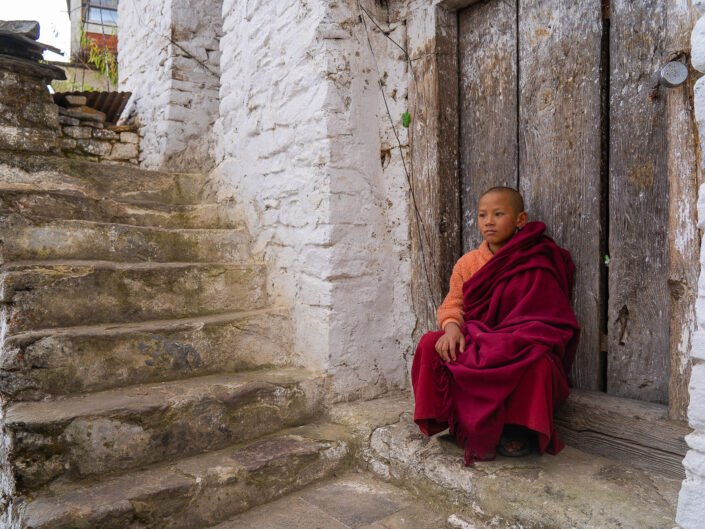
Life At Tawang Monastery

Dzukou Valley, Nagaland
